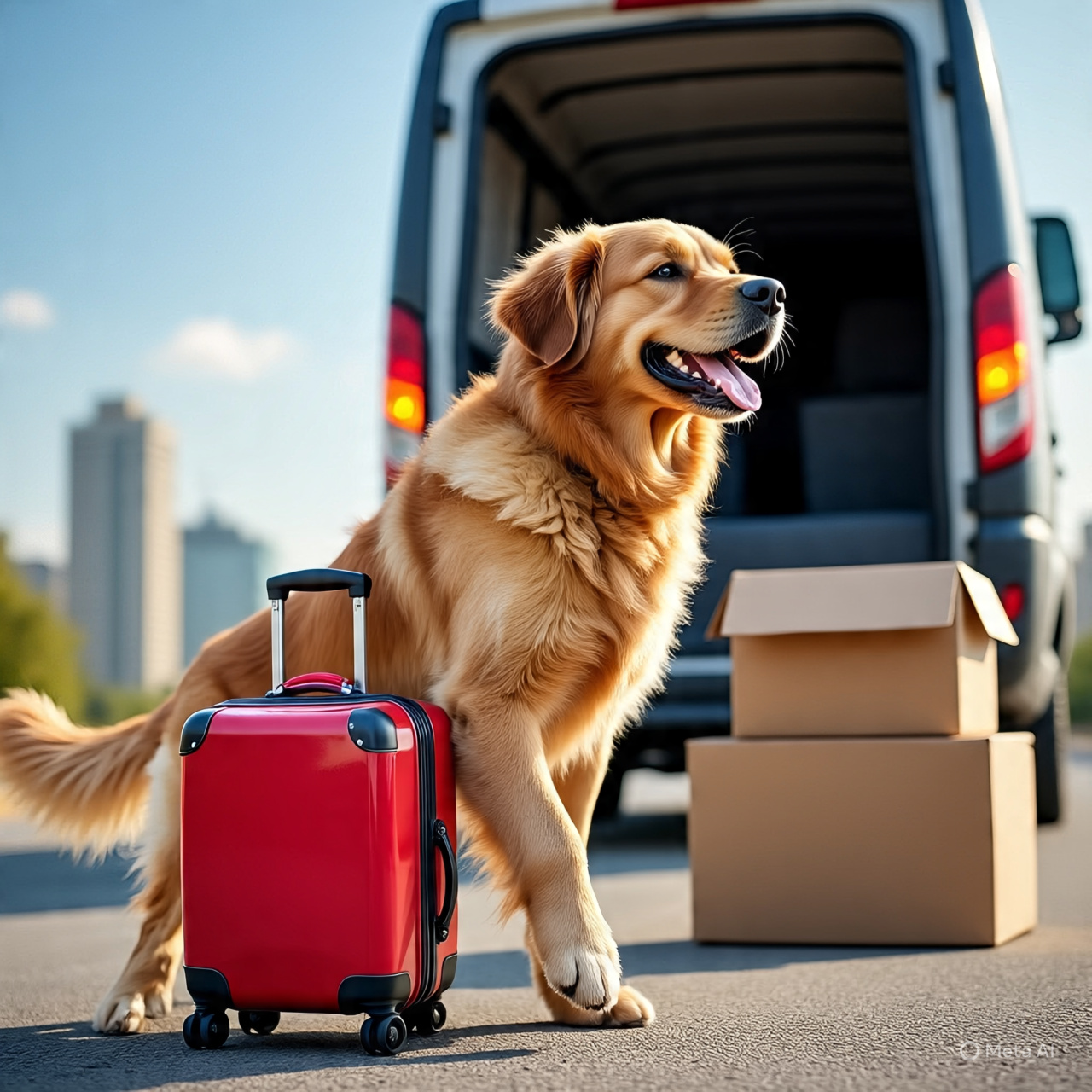
What is Pet Transport?
Pet transport is the professional service of safely moving pets from one location to another, whether across town, across the country or around the world. Depending on your pet’s needs and destination, transportation may be provided by ground vehicle, commercial or private airline or a combination of both.
Professional pet transport is about much more than simply getting a pet from Point A to Point B. It requires careful planning, knowledge of travel regulations, attention to your pet’s health and comfort, and experience handling the unexpected. Every pet is different, and every journey requires a personalized approach
Pets Travel for many reasons, including
- Family relocations
- Military moves
- new puppy or kitten deliveries
- Adoption and rescues
- International relocations
- Seasonal Travel
- College Moves
- Emergency situations
At Precious Pets Transport Services, LLC we’ve spent more than 20 years helping families safely relocate their beloved pets. Our experience has shown that successful pet transport begins long before travel day -with proper planning, communication and putting the pet’s well-being first.
Whether your pet is traveling by ground or air our goal is always the same: to provide a safe, comfortable and stress-free journey for every pet in our care
What is Ground Pet Transport?
Ground pet transport is the professional service of transporting pets by climate-controlled vehicle rather than by airplane. Whether a pet is moving across the state or across the country, professional ground transport provides a safe, personalized travel experience for dogs, cats, puppies, kittens, birds, and many other companion animals.
Unlike traditional shipping services, professional pet transport focuses on the comfort, health, and well-being of each animal throughout the journey. Drivers monitor pets during travel, provide regular exercise and comfort breaks when appropriate, maintain clean travel accommodations, and adapt travel plans when weather or road conditions make safety a concern.
Ground transportation is often the preferred option for:
- Family relocations
- Military moves
- New puppy and kitten deliveries
- Adoption and rescue transports
- Pets unable to fly because of age or medical concerns
- Large breeds that exceed airline size restrictions
- Senior pets that benefit from reduced travel stress
Professional ground transport companies typically offer two types of service: Private Rides, where one family’s pets travel directly to their destination, and Shared Rides, where multiple compatible families share transportation while each pet remains safely cared for throughout the trip.
At Precious Pets Transport Services, LLC, we believe successful pet transportation is about far more than simply driving from Point A to Point B. Every trip requires careful route planning, weather monitoring, communication with pet parents, and a commitment to putting each pet’s safety and comfort first.
After more than 20 years of transporting pets throughout the United States, we’ve learned that every pet is unique. Some are experienced travelers, while others have never left home. Professional ground transport allows each journey to be tailored to the individual needs of the pet, creating a safer and less stressful experience for both the animal and its family
Ground Transportation is often best when:
- Your pet is traveling within the United States.
- Your pet is elderly, anxious, or has medical concerns.
- You prefer more frequent monitoring and personalized care.
- Large breed dogs cannot fly due to airline restrictions.
Air Pet Transport?
Air pet transport is the professional process of relocating pets by commercial airline or specialized air cargo services. While some pets are able to travel in the aircraft cabin with their owners, many larger pets or pets traveling internationally must travel in airline-approved kennels as checked baggage or manifest cargo, depending on the airline and destination country’s requirements.
Professional air pet transport involves much more than simply booking a flight. Every airline has its own policies regarding kennel requirements, breed restrictions, temperature limitations, documentation, and accepted routes. In addition, every country has its own import regulations, veterinary requirements, and customs procedures that must be followed before a pet can legally enter.
Professional pet transport companies coordinate every stage of the journey, including:
- Airline reservations
- Health certificate requirements
- Import permits when required
- USDA endorsement of travel documents, when applicable
- Airline-approved kennel selection
- Flight scheduling and routing
- Customs clearance assistance
- Arrival coordination and final delivery
-
Air transportation is often the best choice for:
- International relocations
- Overseas military transfers
- Corporate employee relocations
- Families moving long distances
- Destinations that cannot be reached efficiently by ground transportation
At Precious Pets Transport Services, LLC, we’ve been arranging international pet transportation since 2015. We work closely with pet owners, veterinarians, airlines, and international partners to ensure every requirement is met before departure. Careful planning helps prevent delays, unexpected expenses, and travel interruptions while making the experience as smooth as possible for both pets and their families.
Every international journey is different. Airline regulations change frequently, and every destination country has its own entry requirements. Working with an experienced pet transportation professional helps ensure that your pet arrives safely and that all required documentation is in place before travel begins.
-
Air Transportation is often best when:
- Your pet is relocating internationally.
- Time is a priority.
- Ground travel would take several days.
- Airline travel is the only practical option for the destination.
-
Three Ways Pets Can Travel by Air
When people hear the term air pet transport, they often assume every pet flies in the cargo hold. In reality, there are three different ways pets can travel by air, and the best option depends on the pet’s size, the airline, and the destination.
1. In-Cabin Travel
Small dogs and cats that meet an airline’s size and weight requirements may travel inside the passenger cabin in an airline-approved carrier placed beneath the seat in front of the pet owner.
In-cabin travel is arranged directly between the pet parent and the airline. The owner remains with their pet throughout the journey.
2. Checked Baggage (Excess Baggage)
Some airlines allow pets to travel as checked baggage when the pet parent is traveling on the same flight. Pets travel in an airline-approved kennel in a designated, climate-controlled area of the aircraft.
Like in-cabin travel, these arrangements are made directly between the pet parent and the airline. Availability varies by airline, and many airlines have reduced or eliminated this option.
3. Manifest Cargo
Manifest cargo is designed for pets traveling without their owners or for destinations that require cargo transportation. Pets travel in the aircraft’s climate-controlled cargo compartment but are booked through the airline’s cargo division rather than through the passenger ticket counter.
Professional pet transportation companies or cargo agents coordinate these shipments, handling flight reservations, travel documentation, airline requirements, customs procedures, and final delivery arrangements.
Although the term cargo may sound intimidating, it is often the safest and only option for many international relocations, large-breed dogs, and pets traveling to countries whose import regulations require cargo transport.
What is Private vs Shared Pet Transport
Private rides are often the best choice for:
- Time-sensitive relocations
- Senior pets
- Pets with medical conditions
- Anxious or reactive pets
- Families who prefer the fastest, most direct route
Because the vehicle is dedicated to one family, travel times are generally shorter and schedules offer greater flexibility. However be aware private rides are much more expensive. These are usually priced at $ per mile, depending on the company
Shared Ride
Shared Ride: A planned route where compatible pets from different families all traveling during the same general time frame, in the same general direction. By sharing transportation cost, families gained a more affordable option without compromising their pets’ safety and comfort. For many, this meant they could keep their beloved pets instead of facing the heartbreaking decision to rehome or surrender their pets because transportation cost were out of reach
Choosing a Professional Pet Transport Company
🚩Warning Signs to Watch For When Choosing a Pet Transport Company
Not all pet transportation companies operate to the same standards. While many transporters are dedicated professionals who genuinely care about the animals they transport, it’s important to do your research before trusting someone with your pet.
Here are a few warning signs that should prompt you to ask more questions before booking.
Extremely Low Prices
Professional pet transportation is a specialized service. If one quote is significantly lower than every other company, ask why. Low prices may mean corners are being cut on insurance, vehicle maintenance, staffing, or the level of care your pet will receive.
No Written Estimate or Contract
A professional transporter should provide a written estimate that clearly outlines the services being provided, pricing, payment terms, and cancellation policy. Never rely solely on verbal agreements.
Poor Communication
If a company is difficult to reach before you book, communication is unlikely to improve once your pet is traveling. A reputable transporter should answer questions promptly and keep you informed throughout the journey.
No Proof of Insurance
Don’t hesitate to ask about insurance coverage. Professional transporters should be able to explain what types of insurance they carry and what protections are available during your pet’s trip.
No References or Reviews
Look for independent reviews, testimonials, or references from previous customers. A long history of satisfied clients often says more than any advertisement.
Unclear Safety Procedures
Ask how pets are monitored during travel, how often they’re checked, how emergencies are handled, and what happens if weather or road conditions require a change in plans. Professional companies should have clear procedures in place.
Pressure to Book Immediately
Be cautious of companies that pressure you to make a quick decision or request full payment before providing basic information. A reputable transporter understands that families want time to make an informed decision.
Trust Your Instincts
Your pet is a member of your family. If something doesn’t feel right during the booking process, continue your search until you find a company that earns your confidence through professionalism, transparency, and experience.
Research the Company’s Online Reputation
One of the easiest ways to evaluate a pet transportation company is to perform a simple internet search before booking.
Established companies that have been operating successfully for many years will typically have a digital footprint that extends beyond their own website. You should be able to find reviews, mentions, interviews, social media pages, business listings, news articles, or links from other trusted websites.
Look for reviews on multiple platforms—not just one website. Consistent feedback across Google, Facebook, the Better Business Bureau, and other reputable sources can provide a more complete picture of a company’s reputation. Consumer protection agencies also recommend checking reviews from multiple sources rather than relying on a single website, while staying alert for fake or manipulated reviews.
A company that has been serving customers for many years should have a history that’s easy to find. If you struggle to find any independent information, reviews, or references about a company that claims extensive experience, don’t hesitate to ask questions before trusting them with your pet.
A company’s reputation isn’t built overnight. Its earned one pet and one family at a time
Preparing Your Pet for Travel
What do I need to do before my pet travels?
Whether your pet is traveling by ground or air, proper preparation plays an important role in ensuring a safe and comfortable journey. Planning ahead helps reduce stress for both pets and their families while allowing your transporter to provide the best possible care throughout the trip.
Every pet is different, and travel plans should be tailored to the individual animal’s age, health, temperament, and destination.
Before your pet’s scheduled departure, consider the following:
Every traveling pet should wear a properly fitted collar with current identification tags. A registered microchip provides an additional layer of protection should your pet ever become separated during travel.
Pack Your Pet’s Essentials
Provide enough food for the entire trip, along with any medications, feeding instructions, favorite treats, and comfort items that may help reduce anxiety. If your pet follows a special diet, be sure to notify your transporter before travel.
Exercise Before Departure
For dogs, a walk before pickup can help burn off excess energy and make the beginning of the journey more relaxing. Cats should have access to a clean litter box before departure.
Be Honest About Your Pet’s Personality
One of the most important things you can do is tell your transporter about your pet’s behavior.
Please let us know if your pet:
- Is shy or fearful.
- Suffers from separation anxiety.
- Has a history of aggression or biting.
- Has medical conditions.
- Takes prescription medications.
- Has mobility limitations.
- Has special feeding requirements.
The more your transporter knows before the trip begins, the better they can provide safe, individualized care throughout the journey.
Schedule a Veterinary Checkup
A pre-travel examination helps ensure your pet is healthy enough to travel. Your veterinarian can discuss any medical concerns, prescribe medications if necessary, and advise you on preparing your pet for the journey.
Keep Vaccinations Current
Many destinations require proof of current vaccinations, particularly rabies vaccinations for dogs and cats. International travel may require additional vaccines, blood tests, or waiting periods depending on the destination country. Pets can and will be turned away from airlines and import countries without the proper vaccination records.
Avoid Last-Minute Changes
Try to maintain your pet’s normal routine in the days leading up to travel. Sudden dietary changes, unfamiliar medications, or major schedule disruptions can increase stress before departure.
Transporter’s Tip:
Open communication between the pet parent and the transport company is the single most important factor in ensuring a safe and successful journey for any pet. The more your transporter knows about your pet’s health, personality, routine, medications, fears, and special needs, the better they can anticipate challenges and provide the highest level of care throughout the trip
There is no such thing as too much information when it comes to the welfare and safety of your pet!
Make Sure Identification Is Current
Health Certificates & USDA Requirements
Health and vaccination requirements for pet travel can vary depending on where your pet is traveling, how they are traveling, and whether they are crossing state or international borders.
For ground transportation within the United States, pet parents should have a current copy of their pet’s vaccination records available during transport. Depending on the destination and circumstances of the move, a veterinary health certificate may also be required.
Professional pet transporters operating commercially are subject to federal and state requirements. When choosing a transporter, pet parents should not be afraid to ask whether the company is properly registered or licensed for the services it provides.
Professional Ground Pet Transporters will insist on a health certificate for pets getting on a vehicle.
Your Veterinarian Is an Important Part of the Travel Team
Tell your veterinarian that your pet will be traveling and provide the anticipated travel dates and destination. This allows your veterinarian to determine which health documents, vaccinations, medications, or examinations may be necessary.
For international travel, requirements become considerably more complex. Some countries require specific microchips, vaccinations, rabies antibody testing, import permits, parasite treatments, government endorsements, and mandatory waiting periods.
Never assume that a standard veterinary health certificate is sufficient for international travel.
We will cover those requirements in greater detail in the International Pet Transport section below
Transporter’s Tip
Start checking health requirements early. Some pet travel requirements can be completed quickly, while others may take weeks or even months. Waiting until the last minute can delay your pet’s trip.
Remember your pet should be sharing nothing more than a ride!
A current health certificate helps protect every pet traveling together.
International Pet Transport
An international health certificate is one of the most important documents required for pets traveling to another country. It certifies that your pet has been examined by an accredited veterinarian and meets the health requirements established by the destination country.
However, many pet owners are surprised to learn that there is no single international health certificate that works for every country.
Each country establishes its own import regulations, documentation requirements, and timelines. The health certificate required for one destination may not be accepted by another.
Timing Is Critical
International health certificates are only valid for a limited period. In many cases, the veterinary examination must be performed within a specific number of days before departure. Missing that window could require your pet to be examined again and new paperwork issued.
Because every country has different requirements, it is important not to schedule veterinary appointments until your travel plan has been confirmed.
USDA Endorsement
Many countries require an international health certificate to be endorsed by the United States Department of Agriculture (USDA) before a pet can travel.
USDA endorsement confirms that the certificate has been completed correctly by an accredited veterinarian and meets the destination country’s import requirements.
Not every destination requires USDA endorsement, but when it is required, it is a critical step that cannot be overlooked.
More Than Just a Health Certificate
Depending on your destination, your pet may also require:
- An ISO-compatible microchip
- Current rabies vaccination
- Rabies antibody (titer) testing
- Additional vaccinations
- Internal and external parasite treatments
- Import permits
- Government approvals
- Advance notification to the destination country
- Airline-approved travel kennel
These requirements vary from country to country and may change over time.
Why Accuracy Matters
International pet travel is governed by the laws of the destination country—not the airline or the pet transportation company.
If a pet arrives without the required documentation or does not meet the country’s import requirements, entry may be denied. Depending on the country’s regulations, the pet may:
- Be returned to the country of origin at the owner’s expense.
- Be placed into government quarantine until the requirements are satisfied, if that option is available.
- In some countries, if return or quarantine is not permitted under their laws, authorities may order euthanasia.
These decisions are made by the government officials in the destination country, not by the airline or the pet transportation company.
For this reason, careful planning, accurate documentation, and strict compliance with the destination country’s import requirements are essential. The goal is to ensure your pet arrives safely and is admitted without delays or complications.
Transporter’s Tip : Never book airline travel before confirming your pet meets the destination country’s entry requirements. Airline reservations can often be changed. Government import requirements generally do not change.
Pet Travel Safety Tips
Whether your pet is traveling across town, across the country, or around the world, safety should always come first. Proper planning and open communication help reduce stress and create a safer travel experience for everyone involved.
Here are some of our most important pet travel safety tips.
Choose an Experienced Pet Transport Company
Research the company before booking. Look for an established business with a proven track record, positive reviews across multiple websites, and clear communication throughout the booking process.
Never Hide Medical or Behavioral Issues
Always tell your transporter about any medical conditions, medications, anxiety, aggression, escape tendencies, or special needs. The more information your transporter has, the better prepared they will be to care for your pet safely.
Make Sure Identification Is Current
Your pet should wear a secure collar with current identification tags and, whenever possible, be microchipped with up-to-date registration information.
Travel With Familiar Items
A familiar blanket or small toy can help reduce stress during travel. If your pet requires a special diet or medications, provide enough supplies for the entire trip, along with written instructions.
Keep Communication Open
Maintain communication with your transporter before, during, and after your pet’s journey. Make sure emergency contact information is current and that someone is available if plans need to change.
Never Rush the Planning Process
Last-minute bookings can limit travel options and increase stress. Planning ahead allows time to complete health requirements, secure airline reservations if needed, and prepare your pet properly.
Be Flexible
Weather, traffic, airline schedules, and unexpected events can affect travel plans. Professional pet transporters always place safety ahead of speed. While everyone wants pets to arrive on schedule, safe travel should always be the priority.
Trust the Professionals
Experienced pet transporters have encountered road closures, severe weather, airline delays, and countless other unexpected situations. Trust their judgment when they recommend changes that protect your pet’s safety.
Transporter’s Tip
There is no destination so important that it’s worth risking your pet’s safety to arrive on time. Safe travel will always be more important than fast travel.
Frequently Asked Questions
How much does pet transportation cost?

The cost of pet transportation depends on several factors, including the distance traveled, the number of pets, the size of the pets, the type of transportation (private or shared), and whether the trip is domestic or international. Requesting a detailed written estimate is the best way to understand the total cost of your pet’s journey.
Is ground transportation safe for pets?
Yes. When performed by an experienced professional transporter, ground transportation is a safe and comfortable option for many pets. Climate-controlled vehicles, careful route planning, regular monitoring, and open communication with pet parents all contribute to a safe travel experience.
Is flying safe for pets?
For most healthy pets, air travel is very safe when all airline and destination country requirements are met. Professional planning, proper documentation, and an airline-approved travel kennel are important parts of a successful journey.
What’s the difference between a Private Ride and a Shared Ride?
A Private Ride is dedicated exclusively to one family’s pets and usually follows the most direct route. A Shared Ride allows compatible pets from different families traveling in the same direction to share transportation while each pet remains safely housed in its own secure travel space.
How far in advance should I book?
The earlier, the better. Domestic transportation may require only a short notice, while international relocations often require several weeks or even months of planning depending on the destination country’s import requirements.
Does my pet need a health certificate?
Requirements vary depending on your destination and the method of transportation. Many international destinations require official veterinary documentation, while some domestic trips may also require health records or certificates. Your veterinarian and professional transporter can help determine what documentation is needed.
Can I travel with multiple pets?
Yes. Many families travel with more than one pet. Be sure to discuss each pet’s age, breed, health, and personality during the planning process so appropriate travel arrangements can be made.
Will I receive updates during my pet’s trip?
Professional pet transportation companies should keep pet parents informed throughout the journey. Before booking, ask how updates will be provided and how often you can expect to receive them.
Can my pet travel with its favorite blanket or toy?
Yes. Familiar items can often help reduce stress during travel. Discuss any comfort items with your transporter before departure to make sure they can travel safely with your pet.
Why should I use a professional pet transportation company?
Professional pet transporters understand animal behavior, travel regulations, route planning, airline requirements, and emergency procedures. Choosing an experienced company provides peace of mind and helps ensure your pet receives safe, professional care throughout the journey.
Final Thought
Whether your pet is traveling across town, across the country, or around the world, every journey begins with trust. Careful planning, open communication, and choosing an experienced professional can make all the difference in creating a safe, comfortable, and successful travel experience.
At Precious Pets Transport Services, LLC, we’ve dedicated more than 20 years to helping families safely relocate their beloved pets. Every pet deserves to be treated with compassion, professionalism, and the same level of care we would want for our own.
Remember… Your Pet Should Be Sharing Nothing More Than a Ride!
Recommended Pet Travel Gear
The right travel equipment can make every journey safer, more comfortable, and less stressful for both pets and their families. Whether your pet is traveling by ground or air, investing in quality travel gear helps ensure they’re prepared for the trip ahead.
Below are some of the items we recommend based on more than 20 years of professional pet transportation experience.
Airline-Approved Travel Kennels
If your pet is traveling by air, selecting the correct kennel is one of the most important decisions you’ll make. Not all kennels marketed as “airline approved” meet every airline’s or destination country’s requirements.
Choose a sturdy kennel that:
- Allows your pet to stand naturally without touching the roof.
- Allows your pet to turn around comfortably.
- Has secure metal hardware when required.
- Provides proper ventilation.
- Includes clearly marked food and water dishes.
Always verify kennel requirements with your airline before purchasing.
Travel Harnesses and Safety Restraints
For pets traveling by vehicle, a properly fitted travel harness or secured travel kennel helps reduce distractions and improves safety during sudden stops or accidents.
Travel Water Bowls
Collapsible travel bowls make it easy to provide fresh water during rest stops without taking up valuable space.
Pet First Aid Kit
Every pet traveler should have a basic first aid kit that includes:
- Gauze pads
- Self-adhering bandage wrap
- Antiseptic wipes
- Tick remover
- Tweezers
- Blunt-tip scissors
- Disposable gloves
- Styptic powder
- Digital thermometer
- Emergency contact information
Identification
Before every trip, make sure your pet has:
- Current identification tags.
- A registered microchip.
- A recent photograph.
- Copies of vaccination records.
Comfort Items
A familiar blanket, towel, or favorite toy can help reduce stress during travel. Familiar scents often provide comfort, especially during longer trips.
Medications
If your pet takes medication, pack enough for the entire journey plus a few extra days in case of unexpected delays. Keep medications in their original containers and include written instructions.
Food and Treats
Bring enough of your pet’s regular food for the entire trip. Sudden diet changes while traveling can lead to digestive upset. Add small bottles of water.
Transporter’s Tip
The best travel gear is the gear that’s been tested before travel day. Introduce new kennels, harnesses, and travel accessories at home so your pet becomes familiar with them before the journey begins.
Professional Recommendation: Don’t buy pet travel gear based solely on online reviews. If you’re unsure which kennel, harness, or travel accessory is best for your pet, ask an experienced pet transportation professional before making your purchase. The right equipment can make all the difference in your pet’s safety and comfort.
Request an International Pet Transport Quote
Planning an international move with your pet can feel overwhelming, but you don’t have to navigate the process alone.
At Precious Pets Transport Services, LLC, we’ve been helping families relocate their pets around the world since 2015. Every destination has its own import requirements, airline regulations, and documentation, which is why we begin every relocation with a personalized travel consultation.
There is no obligation to request a quote. Our goal is to understand your pet’s travel needs, explain the process, and provide you with the information needed to make an informed decision.
To prepare an accurate quote, we’ll need:
Pet Information
- Pet’s name
- Species (dog, cat, etc.)
- Breed
- Age
- Weight
- Height and length (if known)
Travel Information
- Country of departure
- Destination country
- Preferred travel date
- Is your travel date flexible?
- One-way or return trip?
Pet Travel Details
- Will your pet travel with you?
- In-cabin, accompanied baggage, or manifest cargo (if known)
- Does your pet already have an airline-approved kennel?
- Has your pet been microchipped?
- Is your pet’s rabies vaccination current?
Additional Information
Please tell us about any special circumstances, including:
- Medical conditions
- Medications
- Mobility issues
- Special dietary needs
- Previous international travel
- Questions or concerns you’d like us to address
Every Journey Begins With a Conversation
No two international pet relocations are exactly alike. Airline policies, government regulations, veterinary requirements, and travel schedules all vary depending on your destination.
The earlier we begin planning, the more options are typically available to help make your pet’s journey as safe and stress-free as possible.
We’re here to help guide you every step of the way.
Planning Tip
If you’re still deciding where you’ll be moving, that’s okay. Contact us as early as possible. We can help explain the requirements for your destination before travel plans are finalized, potentially saving you time, money, and unnecessary stress.
Request a Ground Pet Transport Quote
Planning a ground relocation for your pet? We’d be honored to help.
For more than 20 years, Precious Pets Transport Services, LLC has safely transported pets throughout the United States. Whether your pet is moving across the state or across the country, we’ll work with you to develop a transportation plan that places your pet’s safety, comfort, and well-being first.
Every quote is customized because no two trips are exactly alike.
There is no obligation to request a quote. We’ll review your transportation needs, answer your questions, and explain the options available so you can make the best decision for your family and your pet.
To prepare your quote, we’ll need:
Pickup Information
- City and State
- ZIP Code (if available)
- Preferred pickup date
- Is your travel date flexible?
Delivery Information
- City and State
- ZIP Code (if available)
Pet Information
- Pet’s name
- Dog, cat, or other species
- Breed
- Age
- Weight
- Sex (optional)
Travel Preferences
- Private Ride
- Shared Ride
- Unsure (we’ll help you decide)
Tell Us About Your Pet
Every pet has its own personality. Please let us know if your pet:
- Takes medications
- Has medical conditions
- Has mobility limitations
- Has separation anxiety
- Is shy or fearful
- Has a history of aggression
- Requires a special diet
- Has any other special needs
The more we know before the trip begins, the better we can prepare for a safe and comfortable journey.
Open Communication Matters
One of the most important parts of a successful pet relocation is honest communication between the pet parent and the transporter.
Please don’t hesitate to share anything you think we should know. Even small details can help us provide the safest and most personalized care possible.
Transporter’s Tip
Open communication between the pet parent and the transport company is the #1 factor in ensuring a safe and successful journey for any pet.
Common Mistakes Pet Parents Make
Relocating a pet is a big responsibility, and even well-intentioned pet parents can make mistakes that create unnecessary stress, delays, or added expense. Fortunately, most of these mistakes are easy to avoid with a little planning.
Waiting Too Long to Book
One of the most common mistakes is waiting until the last minute to begin planning. The earlier you start, the more transportation options are available, especially during busy travel seasons.
Choosing a Company Based Only on Price
The lowest quote isn’t always the best value. Experience, communication, safety standards, and reputation should all be considered when choosing someone to care for your pet.
Not Researching the Transport Company
Take time to research the company. Read reviews from multiple sources, visit their website, check how long they’ve been in business, and don’t be afraid to ask questions.
Withholding Important Information
Never hide medical conditions, medications, anxiety, aggression, escape tendencies, or behavioral concerns. Your transporter isn’t there to judge your pet—they’re there to keep your pet safe.
Waiting Too Long to Visit the Veterinarian
Some travel requirements take time to complete. Scheduling veterinary appointments early helps avoid delays and gives you time to address any health concerns before travel.
Buying the Wrong Travel Kennel
Not every kennel advertised as “airline approved” meets every airline’s requirements. Always verify kennel size and construction before purchasing.
Forgetting to Update Identification
Before travel, check your pet’s ID tags and make sure your microchip registration includes your current phone number and emergency contact information.
Assuming Every Country Has the Same Rules
For international travel, every country has different import requirements. Never assume that paperwork from a previous trip will satisfy a new destination.
Not Asking Questions
There are no silly questions when your pet’s safety is involved. An experienced transporter welcomes questions and wants you to understand the process.
Forgetting That Pets Sense Our Emotions
Pets often pick up on their owner’s stress. Staying calm, maintaining familiar routines, and preparing ahead of time can help your pet feel more relaxed during travel.
Transporter’s Tip
The best pet transport experiences begin with planning, preparation, and open communication. A few extra conversations before travel can prevent major problems later.