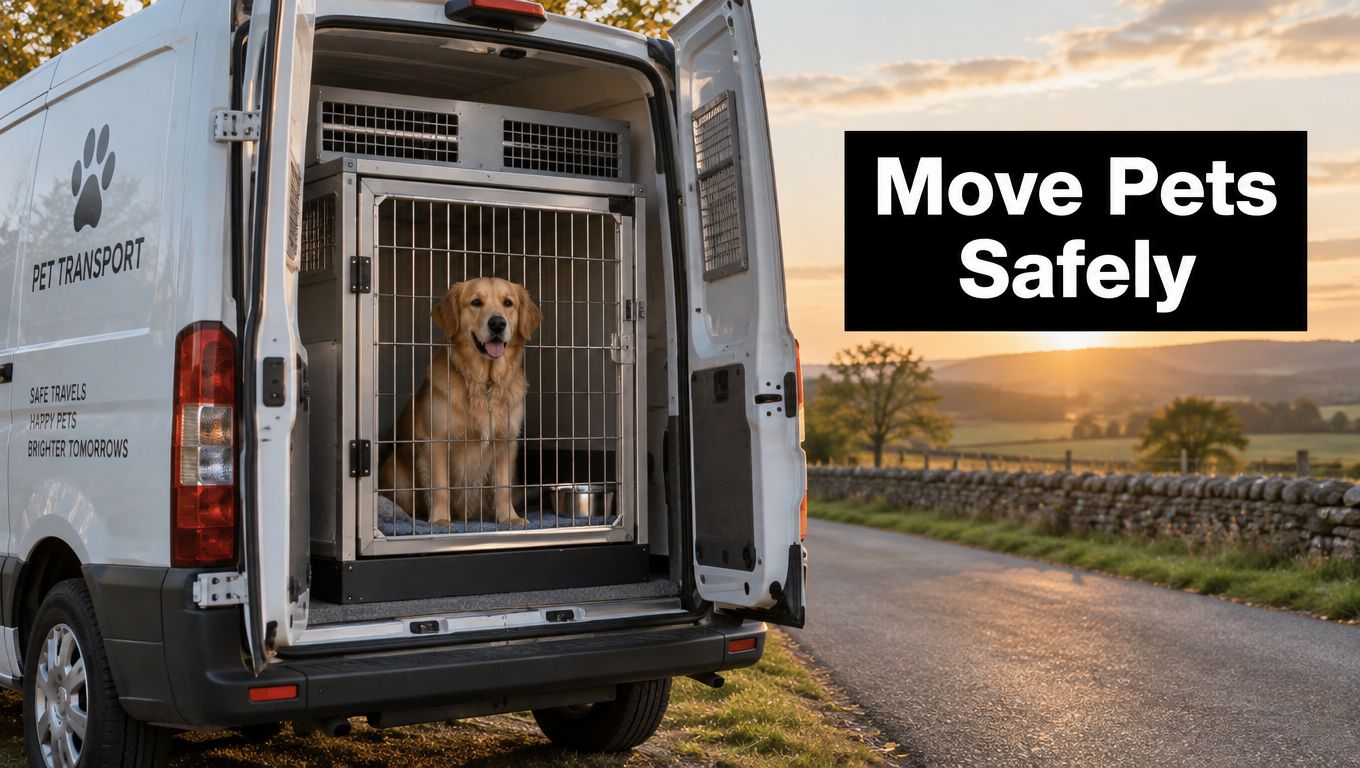
You're packing boxes, changing addresses, and trying to keep one pet calm while the rest of the move spins out around you. The hard part isn't just the mileage, it's knowing whether your dog, cat, or other animal should ride in a family SUV, with a friend, or in a professional pet transport by road service that treats the trip like a welfare operation, not a lift across town.
Table of Contents
- The Reality of Cross-Country Pet Relocation
- Federal Regulations and Commercial Transport Standards
- Vehicle Engineering and Climate Control Protocols
- Comparing Ground Transport to Air Travel Options
- Managing Motion Sickness and Travel Anxiety
- Preparing Your Pet for a Long-Distance Journey
- Coordinating the Final Handoff and Arrival
The Reality of Cross-Country Pet Relocation
The people I see under the most stress aren't usually the ones with the biggest house or the longest drive, they're the ones who realize at the last minute that their pet's trip needs a separate plan. A coast-to-coast move can turn into a chain of decisions, pickup windows, feeding schedules, overnight stops, and vet instructions, all while the human household is already in motion.
Why the pet can't just be “added on”
A friend driving your dog across state lines is doing transportation. A professional relocation team is running a logistics project with welfare checks built into every leg. That difference matters because a pet isn't cargo you load once and forget, especially when the trip stretches into multiple days.
Practical rule: the safer the trip, the less it depends on improvisation.
Professional ground transport takes over the moving parts that most families underestimate, route planning, stop timing, crate handling, temperature monitoring, and communication when weather or traffic changes the day. If you want a plain-language overview of how long routes get organized, this guide on cross-country pet transportation is useful context.
What a real transport team handles
The hidden work starts before the van even arrives. The coordinator checks whether the pet can ride comfortably for the distance, whether the owner's schedule matches the transport window, and whether overnight care or a handoff point is needed. That's not “extra service,” it's the difference between a smooth transfer and a stressed animal at the end of a long day.
A strong operator also treats the owner's instructions as part of the transport record. Feeding notes, medication timing, elimination habits, and behavior quirks aren't trivia, they're operational details. If you've ever tried to coax an anxious cat into a carrier at the same time you were closing a house, you already know why a dedicated team is worth more than a casual lift.
When the move is complicated, the best outcome is usually simple on the surface. Someone else manages the pet's route, keeps the trip structured, and gives you updates while you focus on the rest of the relocation.
Federal Regulations and Commercial Transport Standards
Commercial pet transport by road in the United States follows federal rules, not informal habits. The Animal Welfare Act, or AWA, sets the baseline for transport in commerce, and it applies to interstate and intrastate movement of regulated animals when they are being transported for sale, research, exhibition, or as pets (USDA APHIS AWA transport guidance). A motor carrier or business that takes custody of those animals and moves them for hire must register with APHIS and follow the transportation standards in 9 CFR.

Commercial custody is the dividing line
That line is easy to miss. A pet that stays with its owner on a private family trip is not treated the same way as a company that accepts custody and moves the animal for hire. Once a transporter takes possession, the business carries legal duties around registration and welfare, along with the day-to-day procedures that make those duties real.
Those procedures are what separate a legitimate operation from a casual ride service. Vehicle setup, handling methods, enclosure standards, and documentation all affect safety during transit. A company that cannot explain how it manages those pieces usually is not ready for long-haul pet work.
How to read a transporter's claims
A serious carrier should be able to explain what species it moves, how it handles stops, how it keeps records, and what happens when traffic or weather changes the schedule. If the answer is only “we drive carefully,” that is not enough. Careful driving matters, but commercial animal transport depends on more than caution behind the wheel.
Comparing companies means vetting a regulated custody chain, so ask what compliance means in daily operations, not just on a website banner. The USDA pet travel requirements are a useful starting point for that conversation, because they help frame what a compliant carrier should already understand.
A road-compliant enclosure needs secure hardware, ventilation on two sides, and no interior protrusions the pet can chew. That is the kind of detail that matters once an animal is on the road, because small design flaws become real welfare problems over time.
Vehicle Engineering and Climate Control Protocols
A standard SUV can handle a short trip across town. It is not built for multi-day animal transport. Professional road relocation depends on a vehicle that holds a stable interior climate, keeps animals secured, and limits the small stressors that build up over hours, especially when traffic, loading, and weather all push in different directions.
What the inside of a professional van needs to do
Thermal control comes first. U.S. Animal Welfare Act guidance says animal cargo spaces containing dogs or cats need auxiliary ventilation, such as fans, blowers, or air conditioning, when the internal ambient temperature reaches 85°F, and holding areas should not stay above 85°F or below 45°F for more than four consecutive hours (APHIS ventilation guidance).
A transport van is not judged by the dashboard reading alone. Operators have to know what happens at the animal level, not just in the driver's seat. Heat can build in the cargo area even when the driver feels comfortable, especially if the vehicle is stationary, the sun is strong, or loading takes longer than planned.
Real-world takeaway: if the air in the cargo area is not actively managed, the trip is already moving toward risk.
A sound setup also uses sanitized kennels, secure tie-downs, and interior spaces that keep the crate from sliding, tipping, or striking hard surfaces. The point is not luxury. It is preventing impact, pressure, and panic while the vehicle is moving. For climate-sensitive pets, the engineering is doing the welfare work.
Daily routines are part of the design
The van matters, but the route does too. Dogs need regular opportunities to walk and eliminate, and cats need calm, controlled breaks that do not turn into escape attempts or unnecessary handling. A well-run route builds those breaks into the day instead of trying to save time by compressing them.
Practical oversight shows up in the details. Ask how interior conditions are monitored, what happens if the AC struggles, and whether the driver stays with the animals overnight when the trip requires it. If a trip depends on truck climate control, owners should also stay compliant when truck AC fails, because response time matters once temperatures start drifting.
Ask your vet for a health certificate and a written plan for any condition that could flare up mid-route. That gives the transporter a clearer medical baseline and helps identify the pets that need a tighter temperature range, shorter stretches between stops, or a different vehicle setup before the move begins.
Comparing Ground Transport to Air Travel Options
The right choice depends on the pet, not the owner's preference for speed. Air travel can be faster, but road transport gives you continuous human oversight, door-to-door handling in many cases, and fewer sudden handoffs. For pets that struggle with noise, separation, or temperature swings, that difference can be the deciding factor.

Where road transport makes more sense
Road relocation usually fits pets that need steady supervision, regular stop routines, or a calmer sensory environment. It also makes sense when the animal is too large, too sensitive, or too medically complex for a straightforward flight plan. For many families, the appeal is simple, the pet stays in one managed process instead of being handed off through several logistics layers.
Air options can still be appropriate, but they add their own constraints. Cabin travel depends on airline rules and pet size, checked baggage introduces crate handling, and cargo travel puts more pressure on timing, acceptance rules, and weather conditions. The faster route isn't always the gentler one.
How to decide without guessing
Start with the pet's condition, not the ticket price. Age, respiratory sensitivity, previous travel reactions, and temperament all affect what's reasonable. A brachycephalic dog, a senior cat, or a puppy with a short attention span may tolerate road travel better because the human monitoring is continuous and the environment stays more consistent.
If the pet needs predictable breaks and fewer transfers, the road often wins.
That doesn't mean every road trip is easy. It means the welfare trade-off is clearer. The owner knows where the pet is, the driver can monitor problems in real time, and the plan can be adjusted before a small issue becomes a major one.
The cleanest decision is the one that matches the pet's tolerance, the route, and the level of supervision the animal needs. That's the standard I'd use before booking anything else.
Managing Motion Sickness and Travel Anxiety
A pet that drools in the car isn't always anxious, and a pet that pants isn't always nauseous. The wrong label leads to the wrong fix, and that's where a lot of travel plans go sideways. Veterinary guidance recommends gradual exposure through short practice rides and veterinarian-directed medication, while also noting that anti-nausea drugs don't necessarily treat anxiety and sedatives need individualized timing and supervision rather than being a universal safety answer (FDA travel training guidance).
Separate the symptoms before you medicate
Motion sickness often shows up as drooling, nausea, or vomiting. Anxiety tends to linger even after the vehicle stops, and it can include pacing, vocalizing, hiding, or refusing to settle. If you treat both problems the same way, you may calm one symptom and miss the other.
A good vet conversation starts with what you've observed. Note the pet's normal eating pattern, bathroom schedule, and prior travel history, then describe what changes in the car. That gives the veterinarian a better basis for deciding whether a medication trial makes sense, and which kind.
Use acclimation, not just restraint
Short practice rides are the most underrated tool in travel prep. They help the pet learn that the carrier or harness doesn't always lead to a full-day ordeal, and they let you spot problems before the actual move begins. That's especially useful for cats, puppies, and older pets that haven't built a positive travel history.
Practical rule: don't wait for moving day to discover whether your pet can settle in a moving vehicle.
For cleanup after a bad ride, the quick car interior cleanup tips resource can help owners deal with the aftermath of nausea in a practical way. It won't replace vet care, but it does matter when a travel problem leaves the vehicle messy and stressful.
Medication can be part of the plan, but it shouldn't be the whole plan. Cooling, hydration, secure containment, and clear veterinary instructions are what keep the response safe. Calming the animal isn't the same thing as keeping the animal well.
Preparing Your Pet for a Long-Distance Journey
A smooth handoff starts well before the curb. The pets that travel best are the ones whose owners handle the dull but important details early, vet records, microchip information, crate practice, feeding notes, and contact numbers. That preparation keeps the transporter focused on the route instead of sorting out missing paperwork at pickup.
Build the travel file before the pickup date
Start with the veterinarian. Confirm the pet has the documents required for the trip, and keep everything together in one folder with your phone numbers and the destination address. If the animal uses medication, include exact timing instructions, not just the name of the drug.
Update the microchip registration at the same time. A chip tied to an old phone number gives a false sense of security. If the pet ever needs to be identified during a handoff, current contact details matter before the move begins.
Get the crate routine working at home
A crate should not be a surprise on travel day. Feed the pet near it, let them enter it on their own, and use short practice sessions so confinement feels familiar rather than punitive. A familiar crate like the Petmate Sky Kennel can help with acclimation because the pet learns one resting place before the trip instead of meeting a new enclosure at pickup.
A practical prep list helps avoid the usual last-minute scramble:
- Vet instructions: confirm medication timing, feeding notes, and any health concerns in writing.
- Owner contacts: keep pickup, destination, and emergency numbers in one place.
- Feeding schedule: write down the pet's normal routine so the transporter can follow it.
- Crate comfort: include a familiar blanket or bedding item if the driver approves it.
- Insurance details: confirm whether your policy covers transport-related incidents, then file the claim contact and policy number in the travel folder. Spot Pet Insurance is one option some owners review before travel.
Match the handoff to the route
Confirm timing with the transporter before pickup day. If the driver is delayed, the pet's feeding and rest plan may need to shift too. A coordinator should be able to explain how the handoff works, who signs what, and what happens if the schedule changes overnight.
The cleanest relocations feel uneventful because the owner handled the preparation early. That leaves the pet arriving with less confusion and fewer surprises.
Coordinating the Final Handoff and Arrival
The final handoff is where good planning becomes visible. Pickup should be calm, documented, and direct, with no confusion about who's meeting whom, what the pet needs, and where the route is headed next. If the transport team gives en-route updates, uses secure overnight stops, and keeps the owner informed, the trip usually finishes with far less stress on both ends.
What a proper arrival looks like
A good delivery isn't rushed. The driver should be able to explain how the pet traveled, whether the animal ate or rested normally, and whether anything changed along the way. That kind of reporting helps you spot problems early instead of waiting until the pet is already home and unsettled.
For families who want to see how location updates fit into the process, this piece on real-time pet tracking gives helpful context. Live updates don't replace hands-on care, but they do reduce the guesswork that makes a long relocation harder than it needs to be.
Help the pet decompress after the trip
The first hours at the new home should be quiet and predictable. Keep food, water, and familiar bedding ready, and don't overload the animal with visitors, play, or a new routine all at once. A pet that's been in transit for a long stretch may need time before it acts like itself again.
If the pet seems off, watch for delayed stress instead of assuming the worst immediately. Some animals settle quickly, others need a slower re-entry into normal life. Re-establishing feeding, elimination, and sleep patterns is usually the most useful first step.
A well-run ground transport service should make this stage easier, not harder. When the pickup, route, updates, and delivery all fit together, the pet arrives with less confusion and the owner gets a clearer picture of what happened along the way.
If you're planning a move and want a transport partner that handles route planning, climate-controlled ground relocation, and clear communication, visit Precious Pets Transport Services, LLC. They focus on safe, reliable pet relocation with door-to-door care, so you can line up dates, ask the right questions, and book a trip that matches your pet's needs.
Leave a Reply